 01
01
Single origin
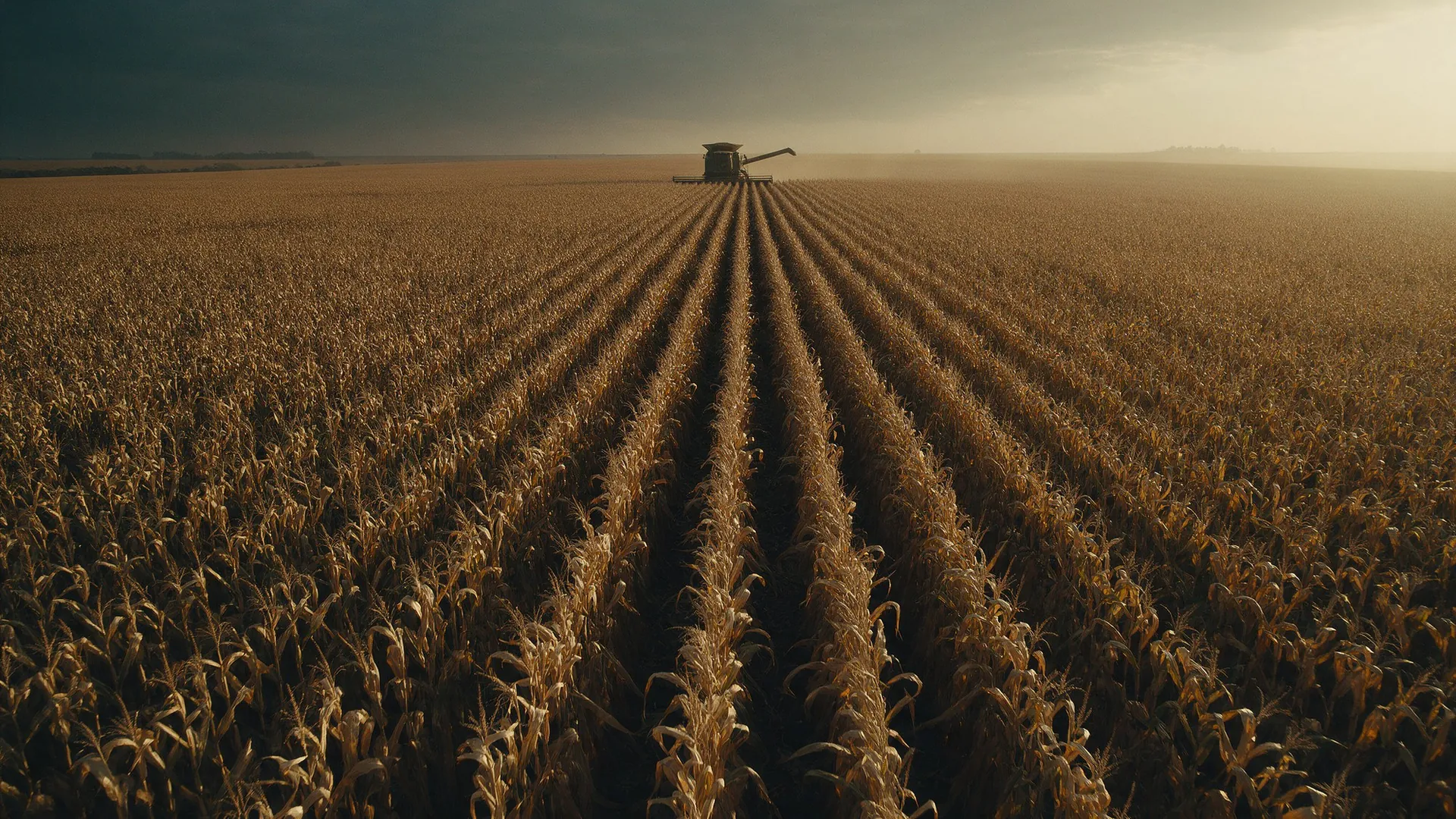
We process what we buy. No mixing of unknown lots, no third-party flour repackaged under our name. If a lot leaves our plant, we can tell you which field it came from.
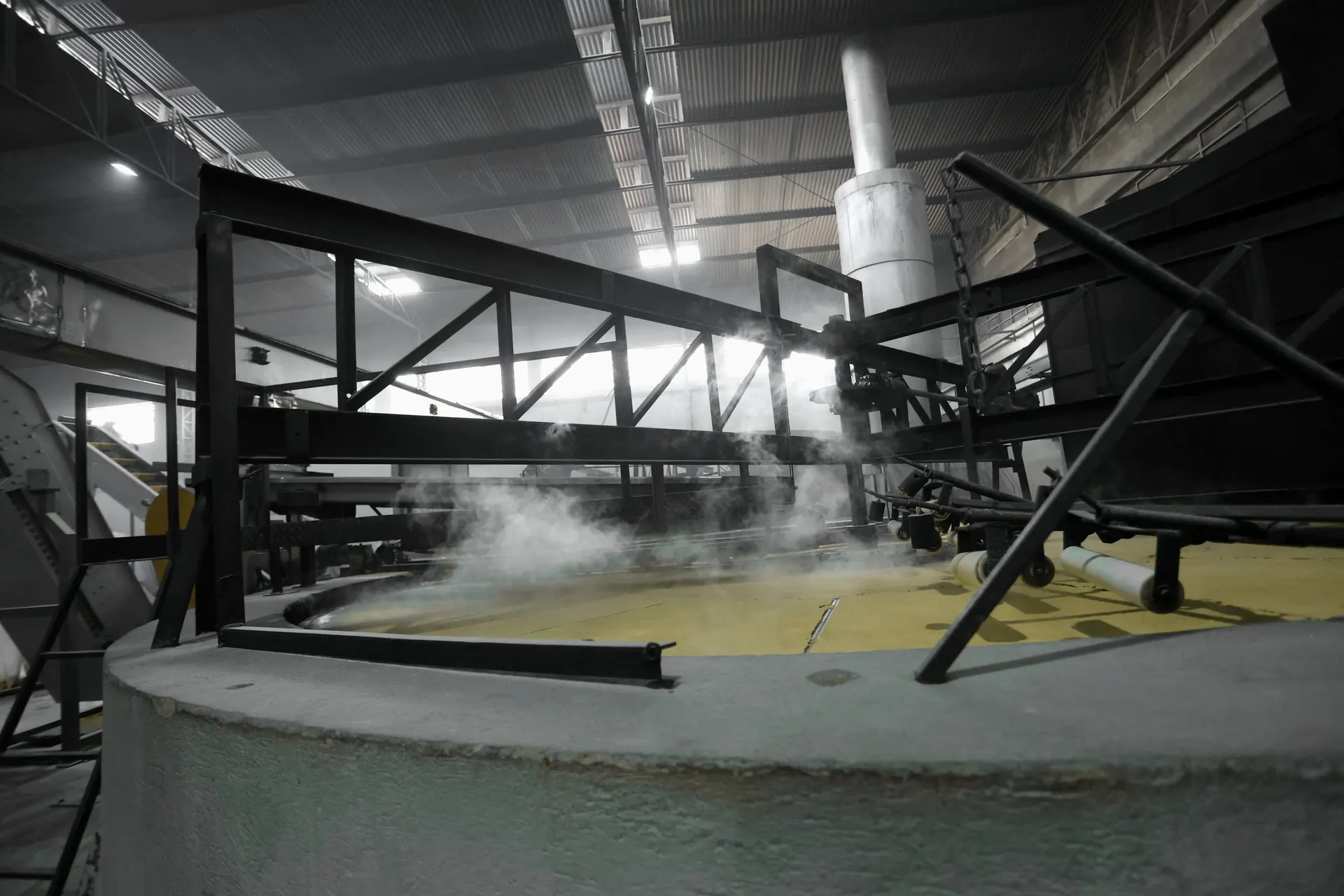
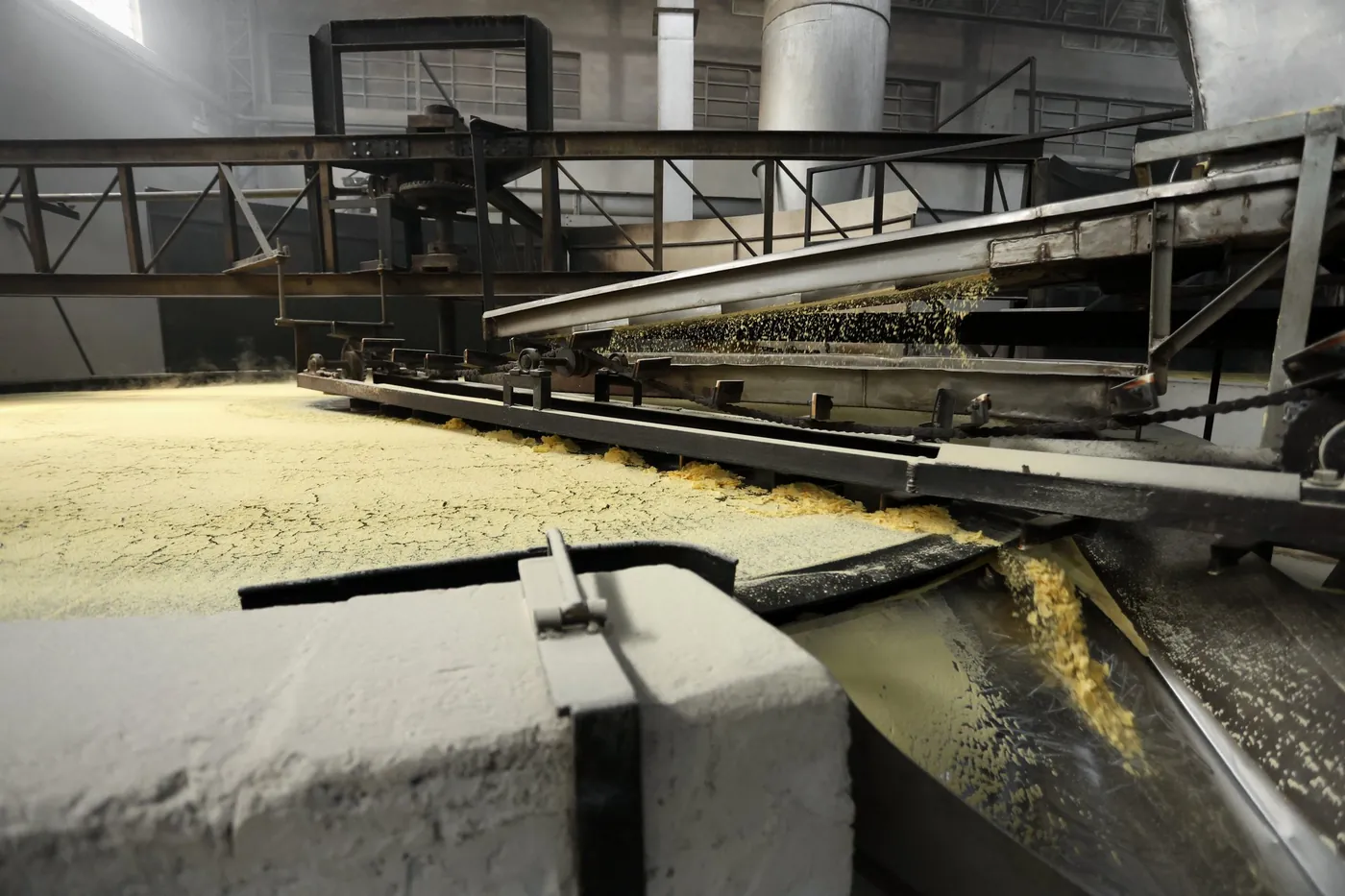
Consistent particle size. Stable moisture. Documentation ready for the container. One mill, one origin, batch after batch.
We supply the manufacturers whose brands are on every supermarket shelf in Brazil. Same mill. Same standard. Now open to international partners.




Brazil harvested 144 million tonnes of corn in 2025/26 and was the world’s 2nd largest corn exporter in 2024/25.
Source: CONAB, 12th Grain Crop Survey, September 2026. Export ranking: USDA/FAS, 2024/25 season.
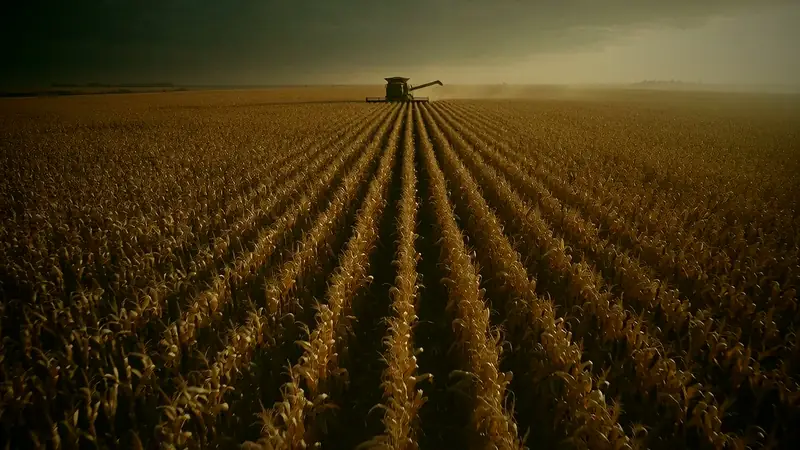
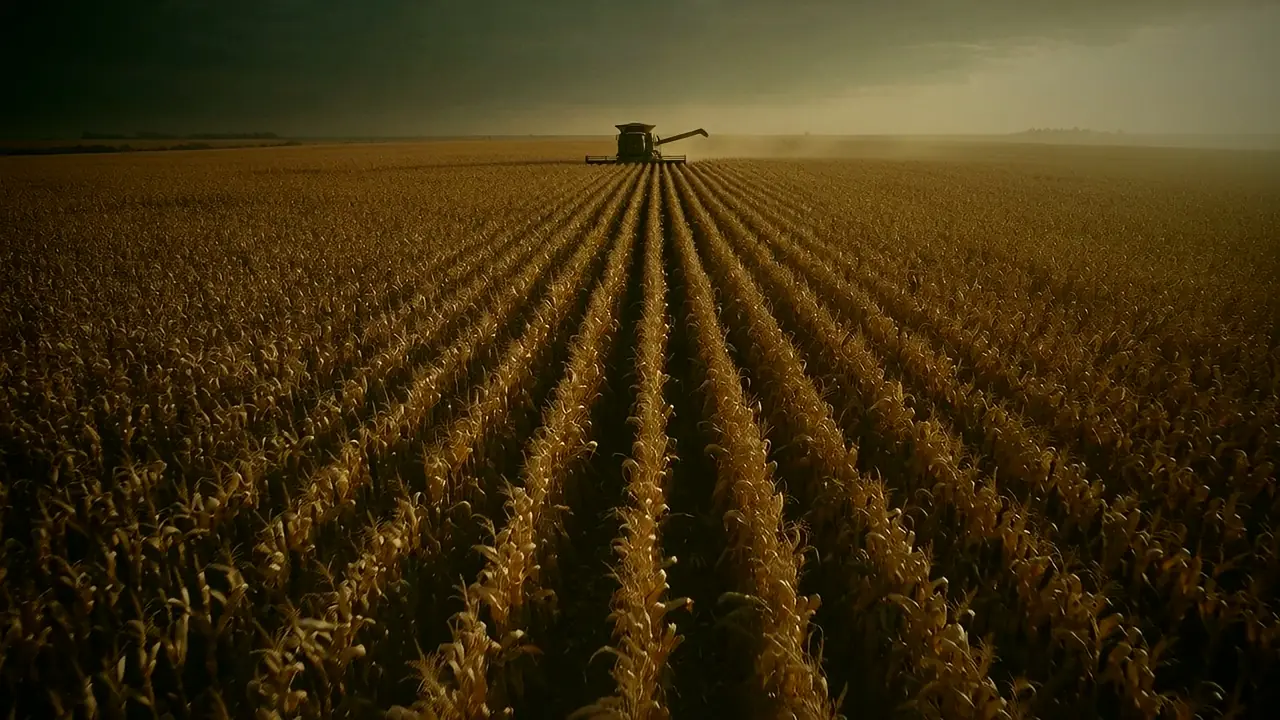
Paraná is one of Brazil’s largest corn-producing states. It’s where we buy, it’s where we process, and we’ve never done anything else.
01
We process what we buy. No mixing of unknown lots, no third-party flour repackaged under our name. If a lot leaves our plant, we can tell you which field it came from.
 02
02
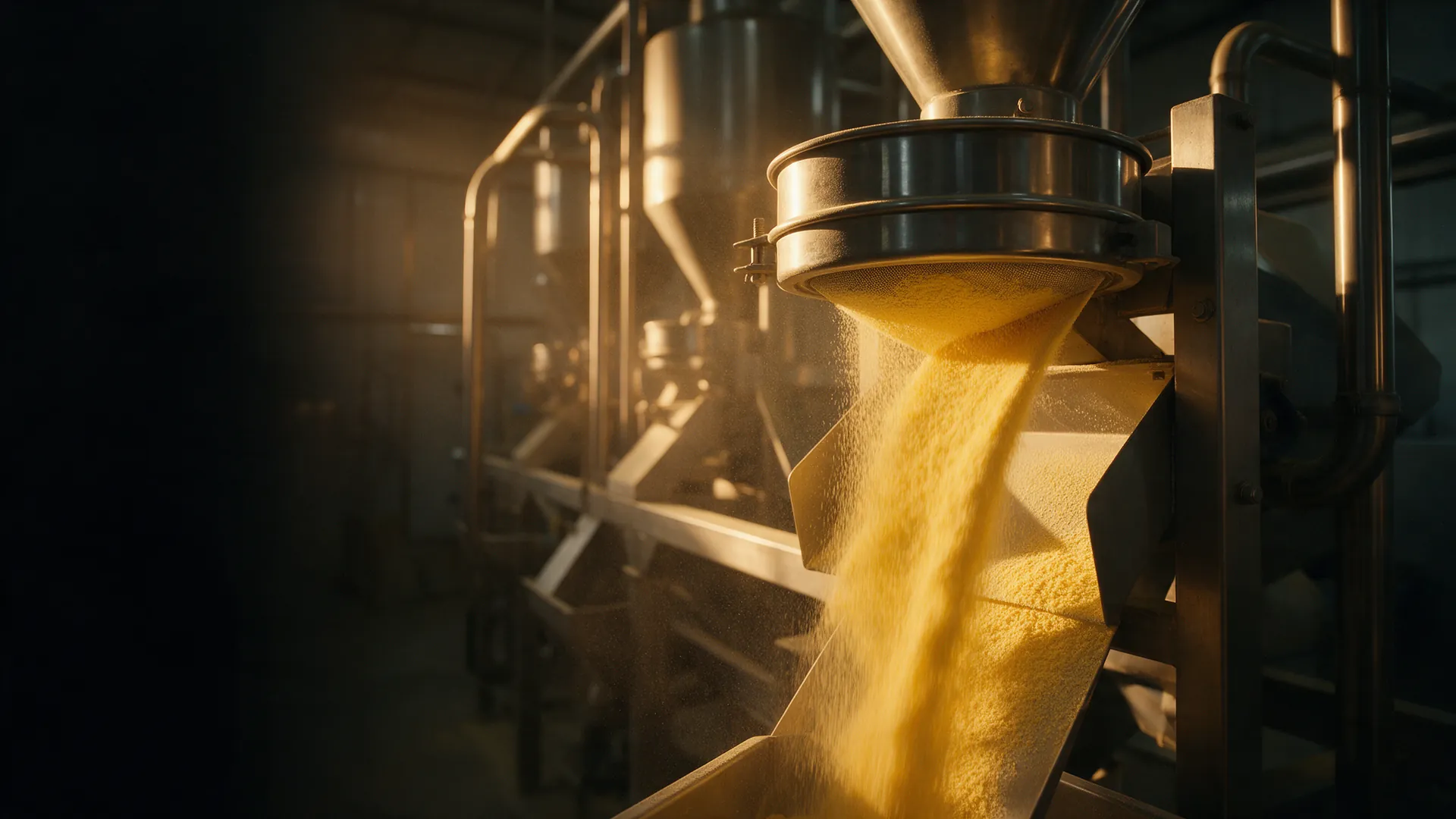
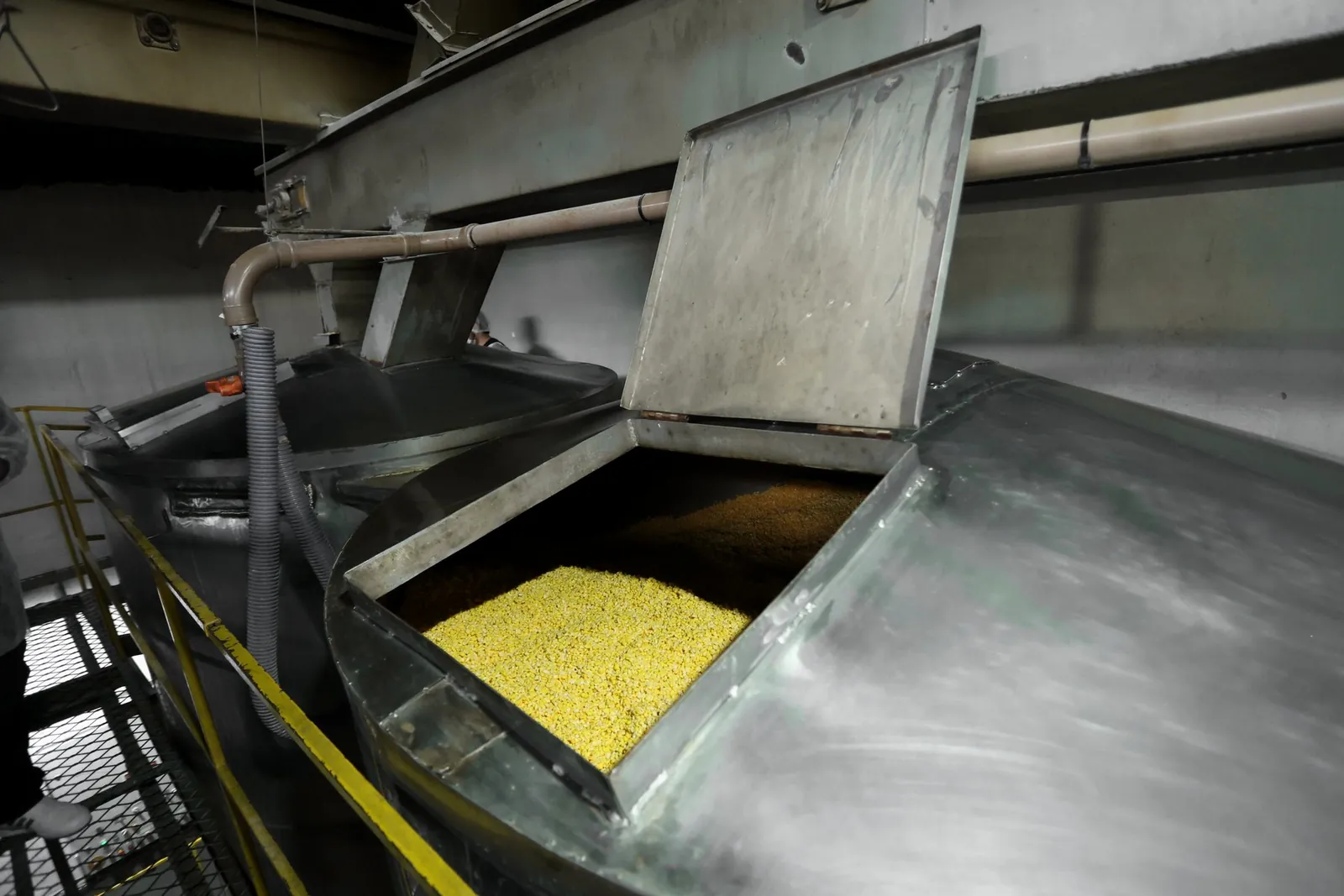
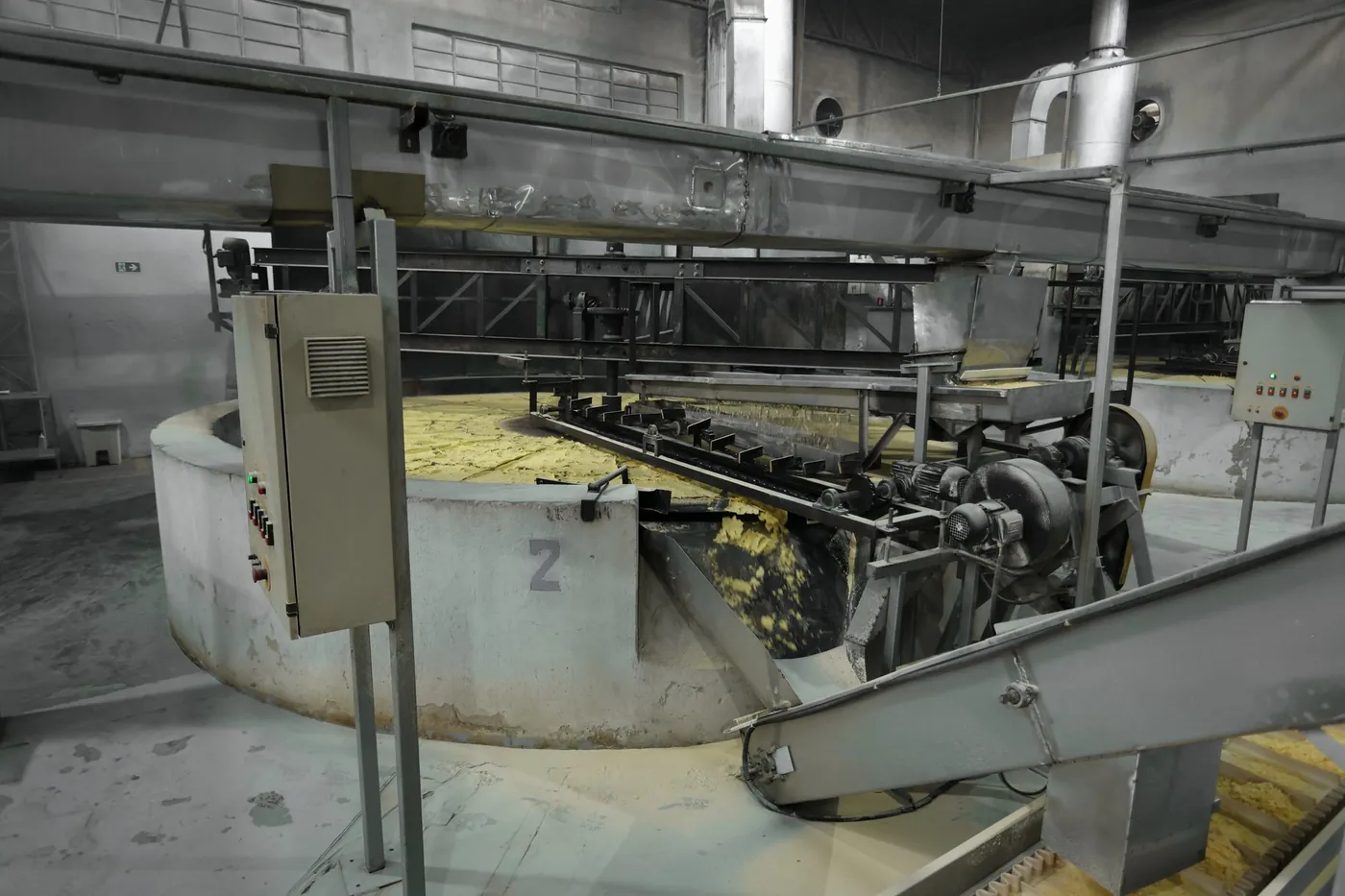
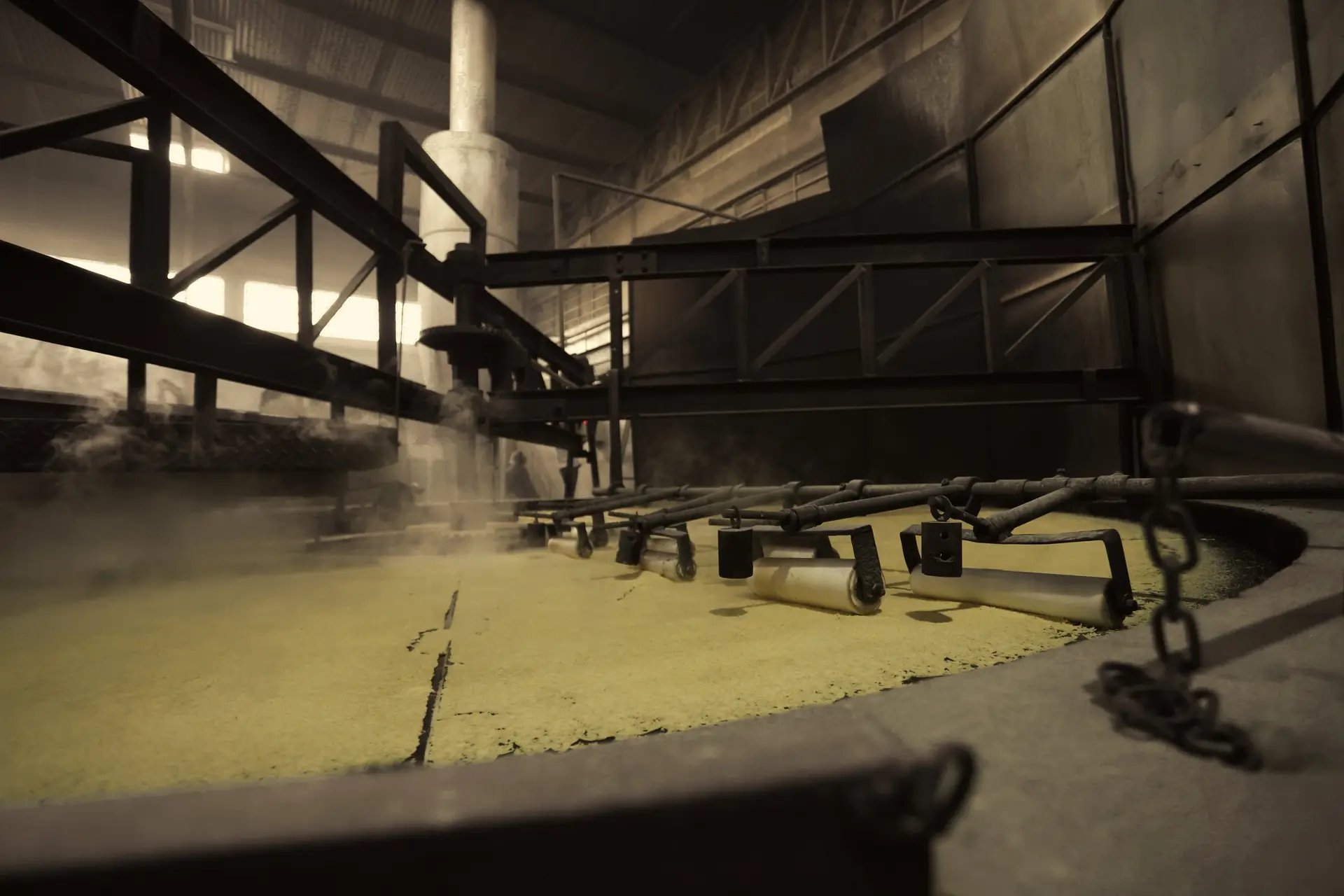
Cleaning, degerming, milling and grading under one roof, with batch-by-batch analysis. Particle size is specified before production, not sorted out after it.
 03
03
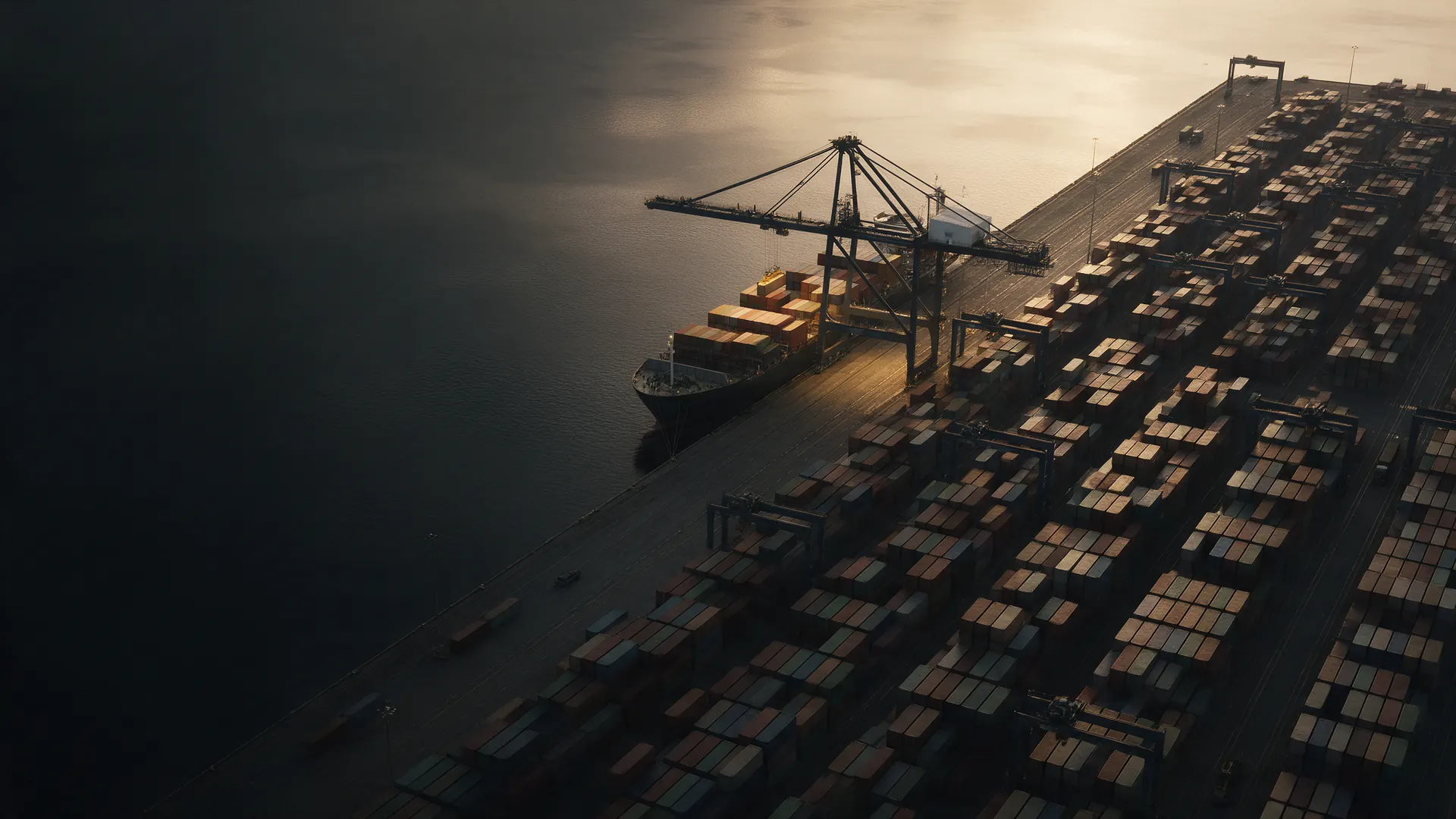
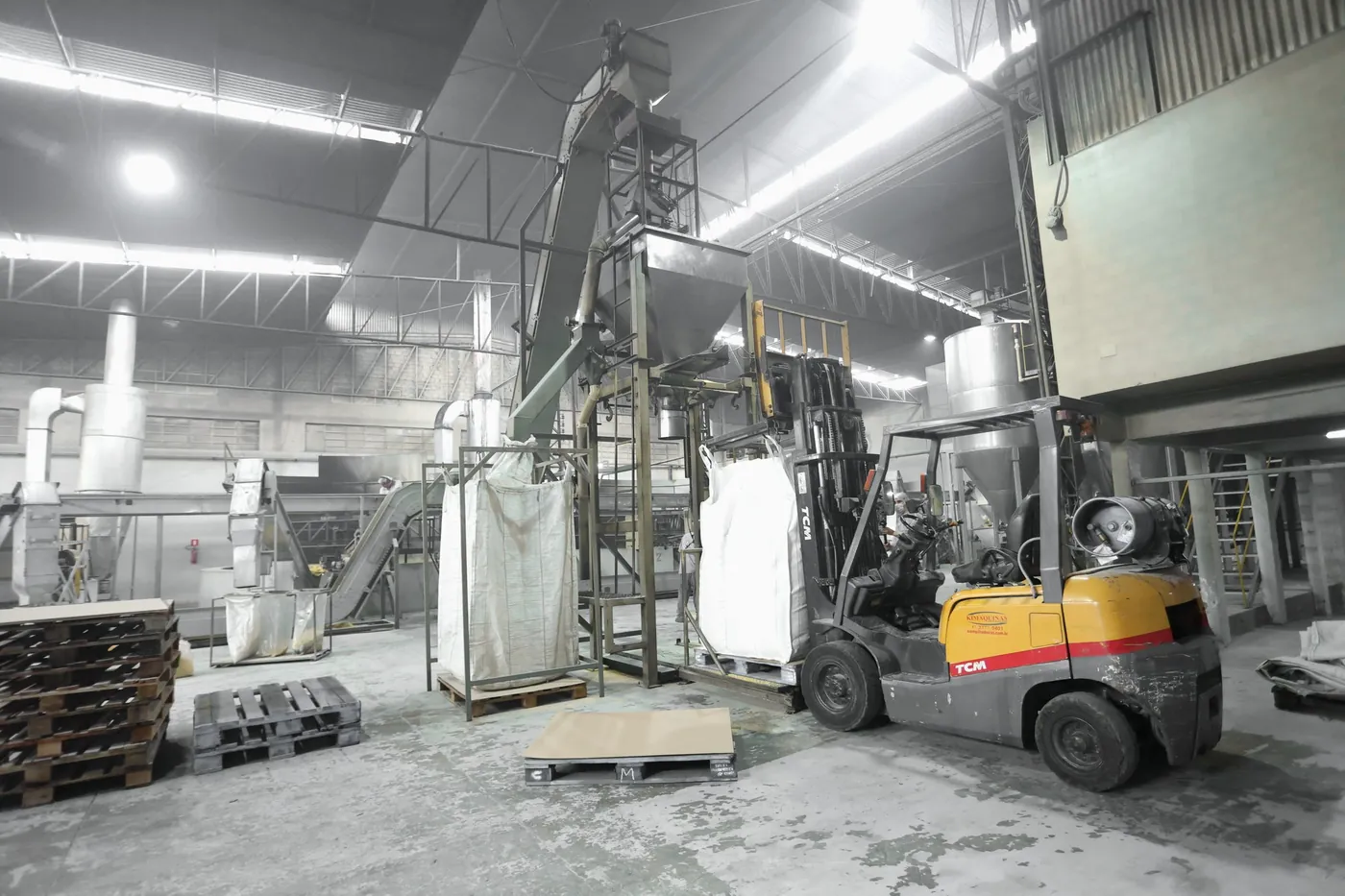
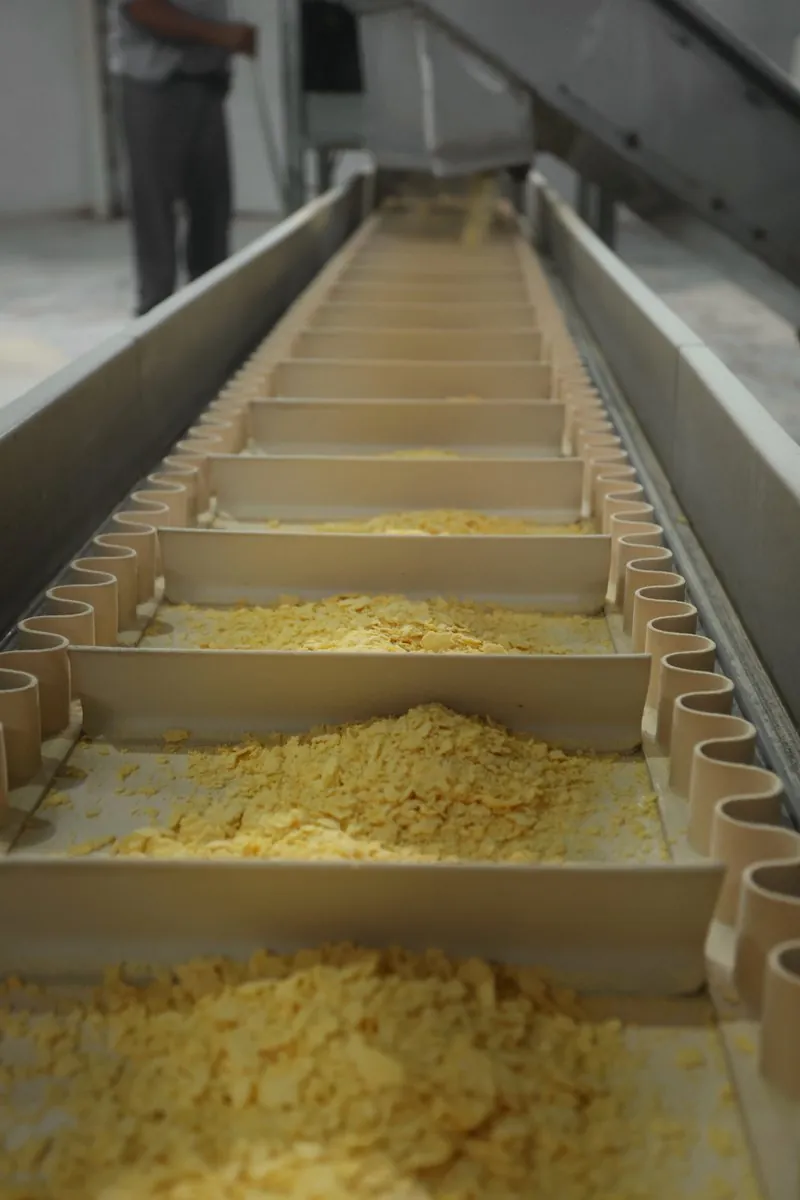
Moisture, packaging and documentation prepared for container shipment — including the phytosanitary certificate the EU requires for corn and derivatives.
Two industries, one raw material, twelve different specifications. Pick your side and explore.
 01
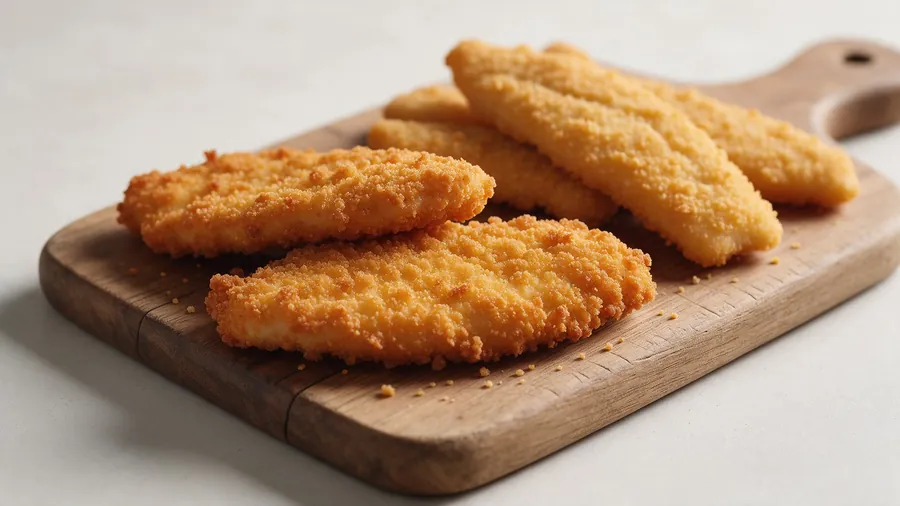
01BREADING AND COATING
Pick-up, adhesion and colour after frying follow the particle-size distribution, not the average. Two lots with the same average behave differently if the spread changes.
WE SPECIFY
particle-size range · moisture window · damaged starch · colour
AVOIDS
Having to readjust the line on every delivery because the lot behaved differently.
 02
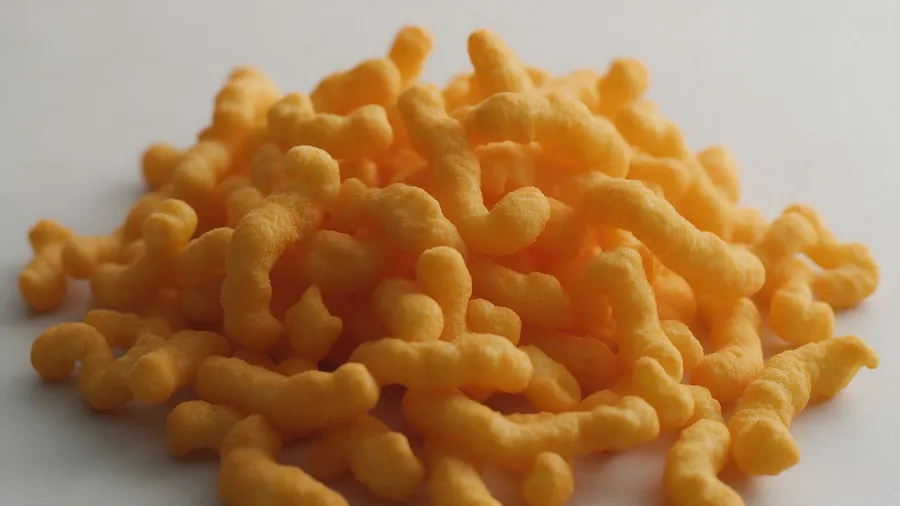
02EXTRUDED SNACKS
Expansion rate and cell structure follow particle uniformity and moisture at the extruder inlet. Fines are usually the cause when density varies.
WE SPECIFY
particle size · uniformity · moisture · fat · fines
AVOIDS
Density variation between batches and packs outside target weight.
 03
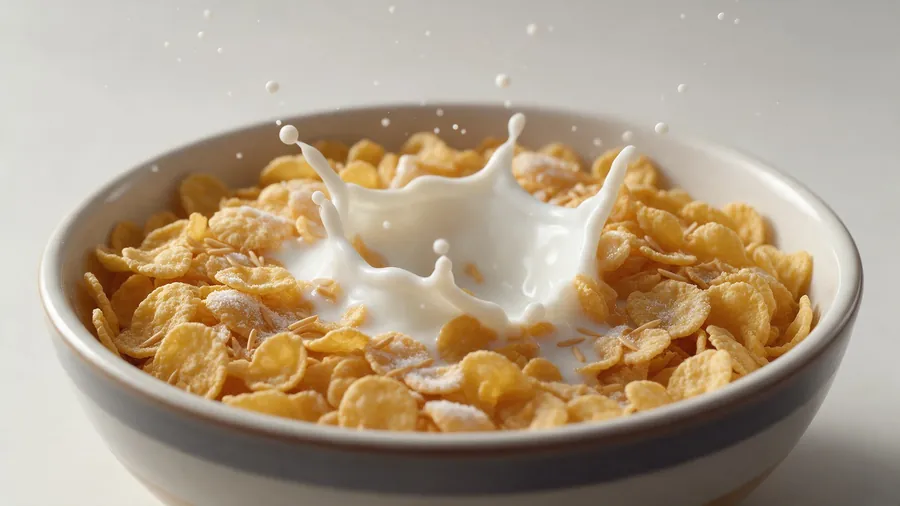
03BREAKFAST CEREALS AND FLAKING
Flaking grits must be uniform. Oversize grain costs you at the roll and fines cost you in yield — both in the same delivery.
WE SPECIFY
flaking particle size · uniformity · degerming level · moisture
AVOIDS
Yield loss at the flaking roll and flake thickness out of specification.
 04
04BAKING AND READY MIXES
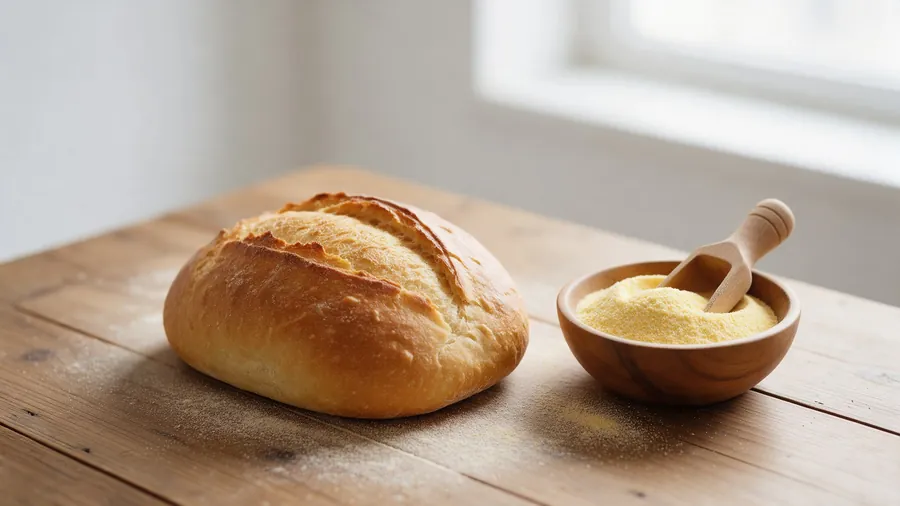
A corn base for mixes, breads and premixes. Hydration rate and mouthfeel are set by particle size long before your formulation.
WE SPECIFY
fine particle size · moisture · ash · complete documentation set
AVOIDS
A gritty mouthfeel and inconsistent hydration in the final mix.
 05
05TRADITIONAL CORN FOODS
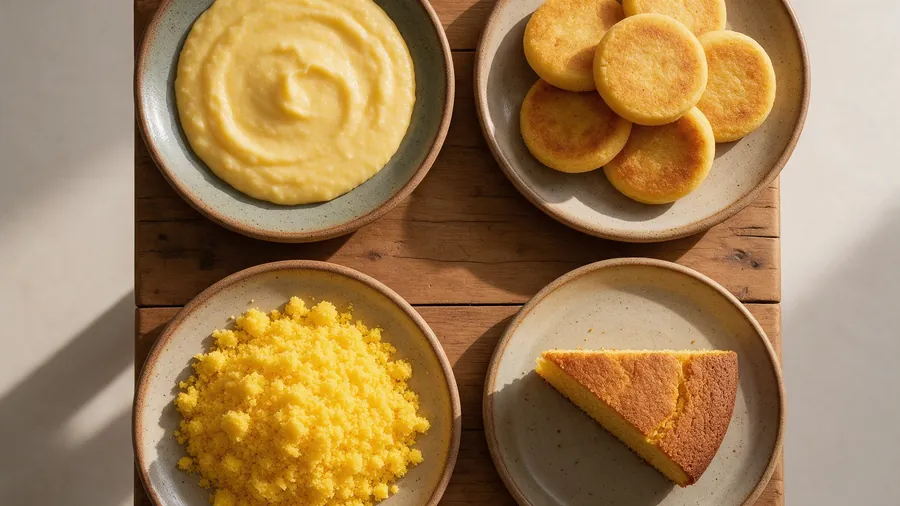
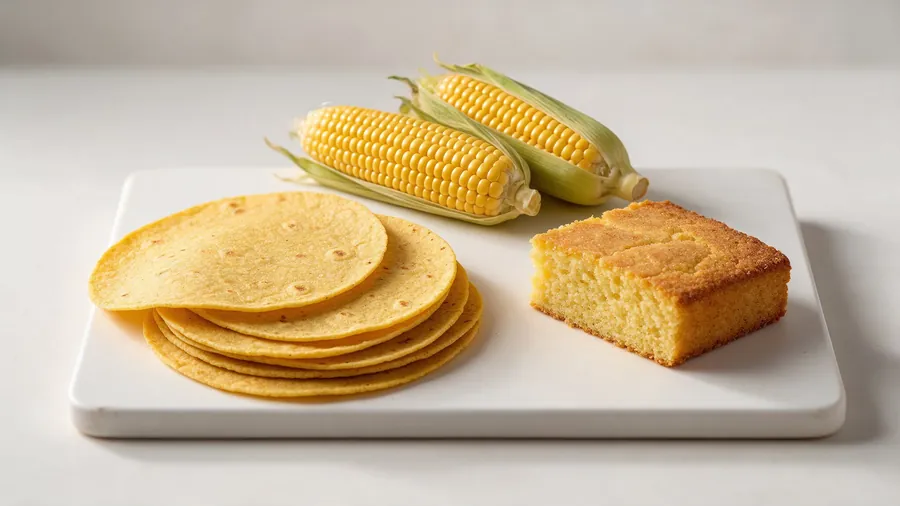
In these products the flour isn’t an ingredient, it’s the recipe. Consumers raised on that tradition spot the wrong texture on the first bite.
WE SPECIFY
coarse or medium particle size · colour · cooking behaviour
AVOIDS
A texture your market recognises as wrong before reading the label.
 06
06GLUTEN-FREE FORMULATIONS
The risk is never in the grain — it’s in shared handling, transport and storage. A gluten-free claim is a documentation problem, not an agronomy one.
WE SPECIFY
gluten limit per lot · segregated handling · per-lot certificate
AVOIDS
A claim on your label that the supplier can’t document when asked.
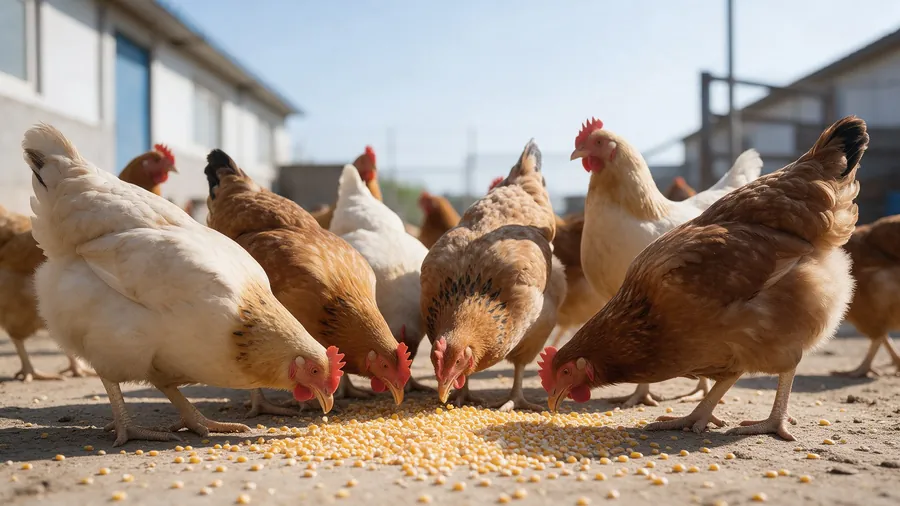 01
01POULTRY
Corn carries most of the diet’s metabolisable energy. When it varies, feed conversion varies with it — and you find out weeks later.
WE SPECIFY
energy supply · moisture · particle size · mycotoxin ceiling
AVOIDS
Reformulating every load because the energy changed.
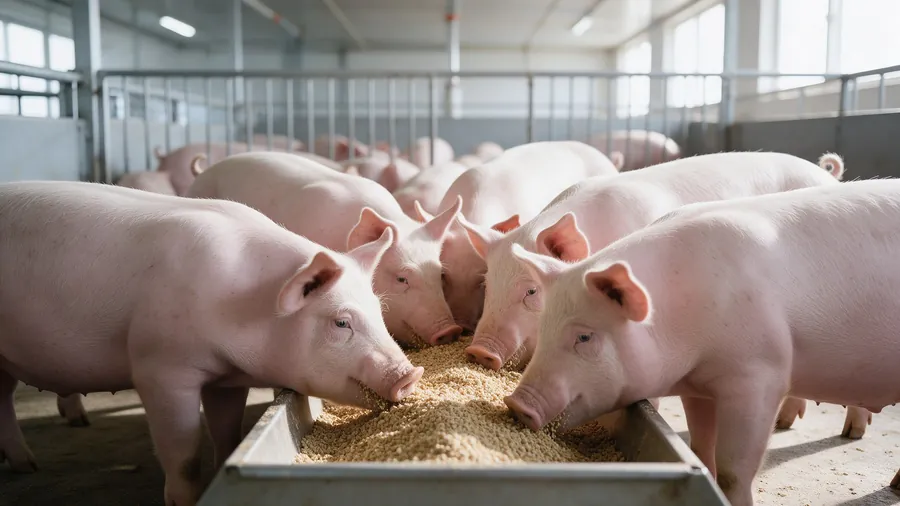 02
02SWINE
Too coarse and digestibility drops; too fine and gastric ulcer incidence rises. The window is narrow, and the problem belongs to the supplier, not the feed mill.
WE SPECIFY
target particle size · uniformity · moisture · mycotoxins
AVOIDS
A particle size agreed on paper and never delivered the same way twice.
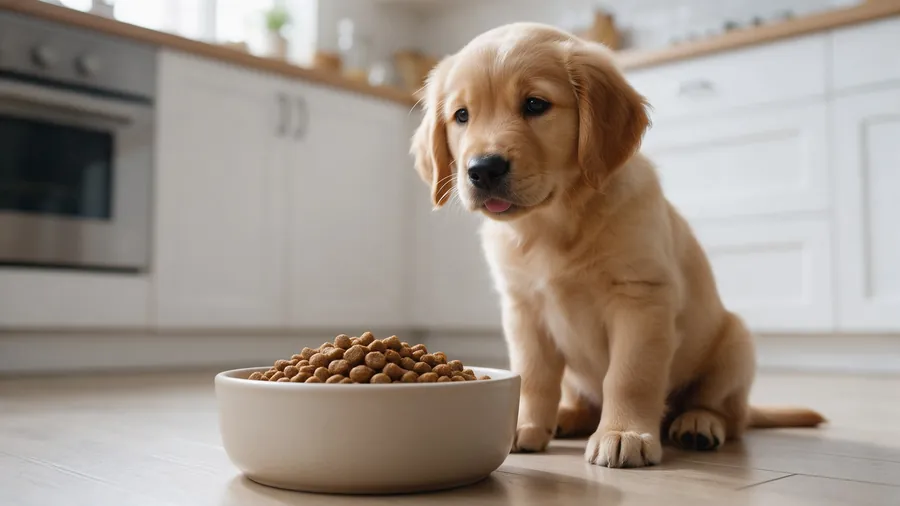 03
03PET FOOD
Premium formulations tolerate no visual or analytical variation between lots, and transparent packaging turns every deviation into a consumer problem.
WE SPECIFY
particle size · colour · mycotoxin limits · full lot traceability
AVOIDS
A lot that simply looks different through the packaging.
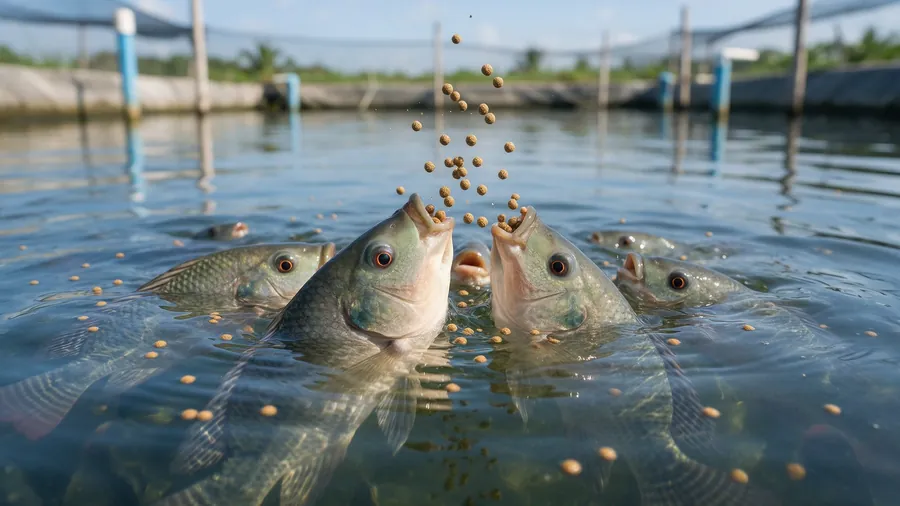 04
04AQUACULTURE
Corn supplies the starch that binds the extruded pellet. Water stability is decided before the extruder, in the raw-material specification.
WE SPECIFY
starch content · particle size · moisture · fines
AVOIDS
Pellet disintegration in the water and feed lost before it’s eaten.
 05
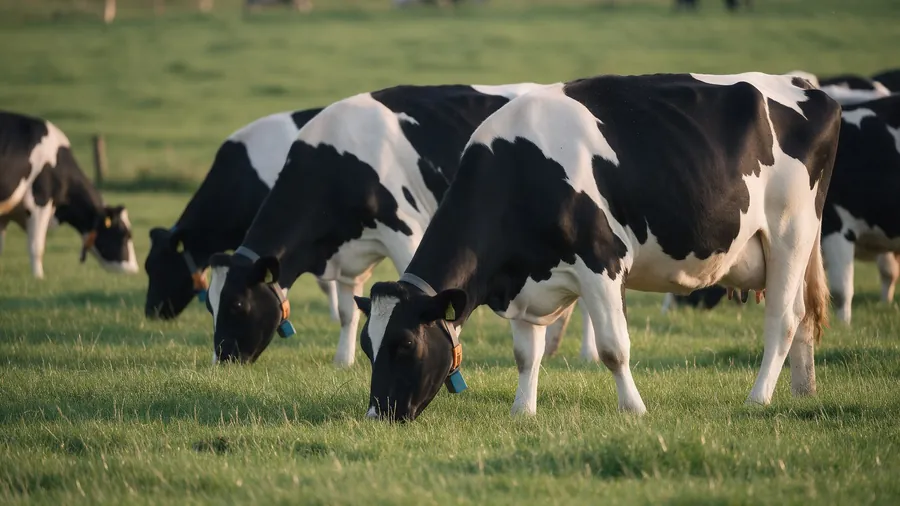
05RUMINANTS AND DAIRY
How the corn was processed determines how fast the starch becomes available in the rumen. Get it wrong one way and you risk acidosis; the other way, you pay for energy the animal doesn’t use.
WE SPECIFY
processing degree · particle size · starch · moisture
AVOIDS
Acidosis risk on one side, wasted energy on the other.
 06
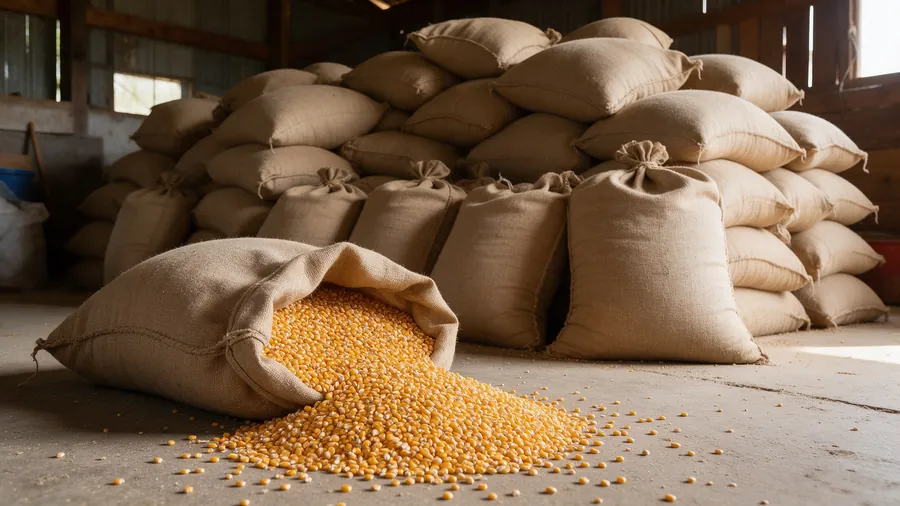
06FIELD AND EMERGENCY FEED
Feed programmes are won on documentation as much as on price. Long storage life and audit-proof documentation are the real requirement.
WE SPECIFY
moisture ceiling · shelf life · mycotoxins · complete documentation set
AVOIDS
Losing a tender on documentation, not on price.
Final step
Tell us the process and the destination market. We’ve specified for stranger things — and we’ll tell you honestly if corn isn’t the answer.
Talk to us about your applicationOne question first: food or feed?
The numbers your quality team will ask for — before they ask.
Regulation (EU) 2023/915, as amended, sets the maximum contaminant levels for corn milling products placed on the European market. These are the numbers we’re measured by — and we test batch by batch.
Full spec sheet, batch analysis and sample report available on request — or scan the card and download now.
I want to receive the materialBefore you assess a supplier, assess the origin.
million t
Brazil’s 2025/26 corn crop — a national record, 2% above the previous season.
Source: CONAB, 12th Survey, September 2026.
thousand t
Corn flour produced in Brazil in 2023, with revenue up 95.6% on 2019 (nominal).
Source: IBGE, PIA-Produto 2023.
largest corn exporter in the world
In 2024/25, with 38.8 million t exported — second only to the US.
Source: USDA/FAS, 2024/25 season.
The numbers above are about origin. The ones below are about cost: what the EU–Mercosur agreement has already changed for anyone importing corn flour from Brazil.
−12.5%
EU tariff on Brazilian corn flour in 2026: from €173 to €151.37 per tonne (fat up to 1.5%). EU–Mercosur agreement, provisionally applied since 1 May 2026.
No quota
Corn flour enters with no volume cap. The agreement’s 1-million-tonne quota applies to grain only.
The doubt is never whether the product is good. It’s whether it arrives, on time, with the paperwork in order.
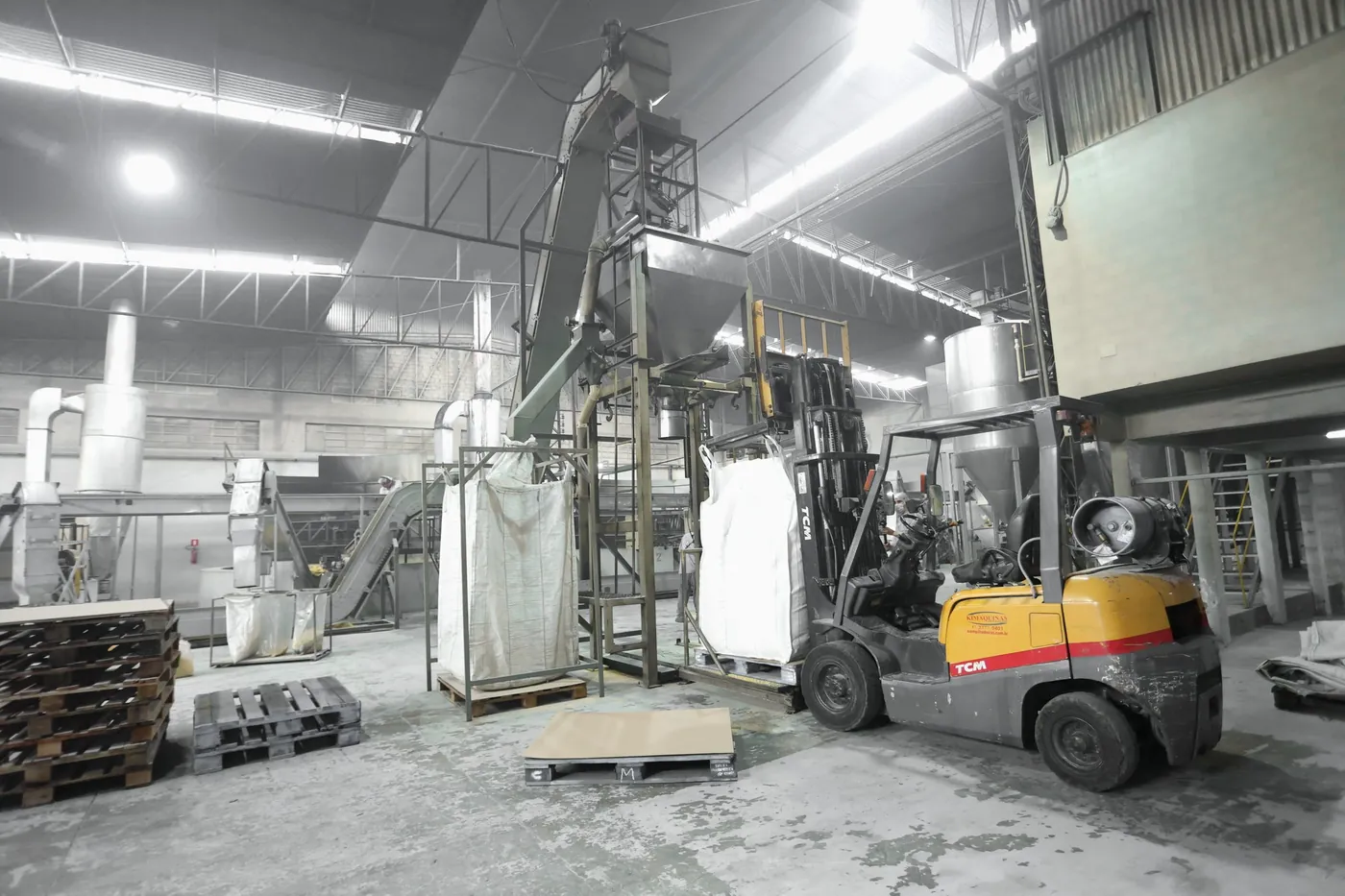
CL Angelo is a corn processing company in Guarapuava, Paraná — family-owned, professionally managed, with a plant built for volume. We’re not a trading house and we don’t intermediate third-party product. We buy the corn, process it and stand behind it.
That’s why the manufacturers who’ve been with us the longest have never needed to change supplier.
 1971
1971
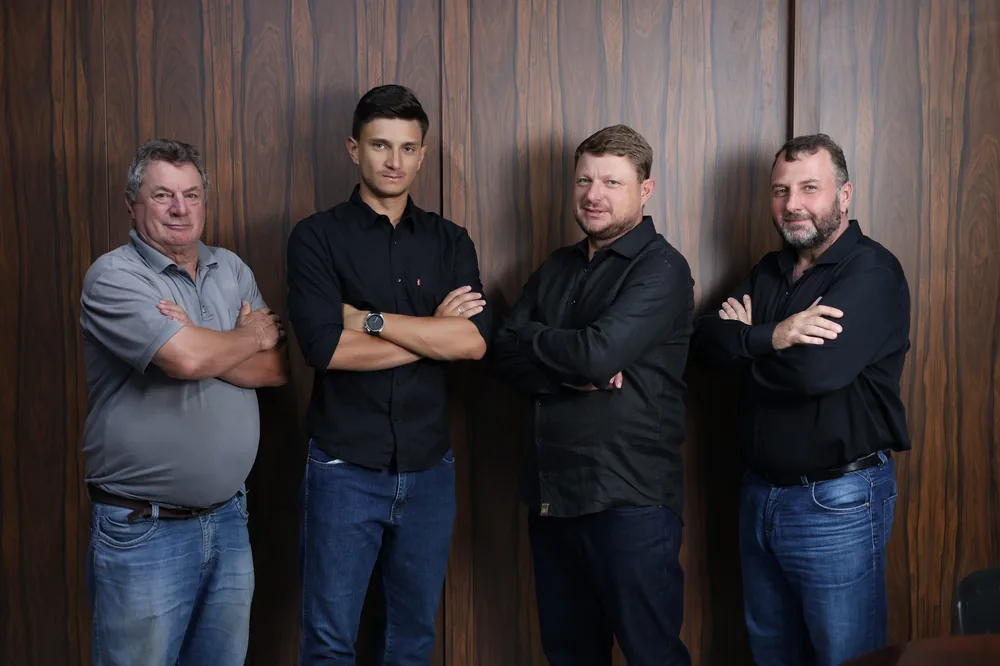
A buyer in Cairo, one in Lyon and one in Skopje aren’t buying the same product, even when the label says corn flour. Regulation, formulation and logistics change in each case — which is why we specify against your scenario before any shipment.
The destination defines the regulatory package. A load for the European Union carries contaminant limits and GMO labelling rules that a load for another destination doesn’t. We build the documentation set around your destination, not around a template.
Breading, extrusion, baking and feed need different particle sizes and moisture windows. We tune the milling to your profile instead of sending whatever is closest on the shelf.
Bags, big bags and bulk are different operations on your dock and different costs on your invoice. Frequency tells us whether it’s a one-off purchase or a supply programme — and we price each one differently.
Where responsibility changes hands moves your landed cost more than the unit price does. We quote against the arrangement you actually work with, not the one that’s most convenient for us.
Four answers, and you get a specification instead of a brochure.
Then, and only then, we send a qualification sample made to that specification — so the first sample you test is already the right one.
You’re at SIAL to map suppliers, not to close today. Leave four details and we’ll send the complete material — so the comparison you make next month is made with real numbers, ours included.
WHAT LANDS IN YOUR INBOX
Step by step, from grain intake to dispatch.
Control points, analysis frequency, batch traceability and our results against Regulation (EU) 2023/915.
PDF for download.
Lead time, documentation, payment, minimum per container and what happens after a specification request.
Sales email and WhatsApp with country code.